Healthy eating used to sound like a list of things to avoid.
Less salt. Less sugar. Less fat. Less joy, apparently.
That way of thinking never really worked for everyday cooks. People can force themselves through a few bland meals, sure. But long term? Not likely. Food has to taste good. It has to smell good while it’s cooking. It has to feel worth the effort after a long day when ordering takeout sounds much easier.
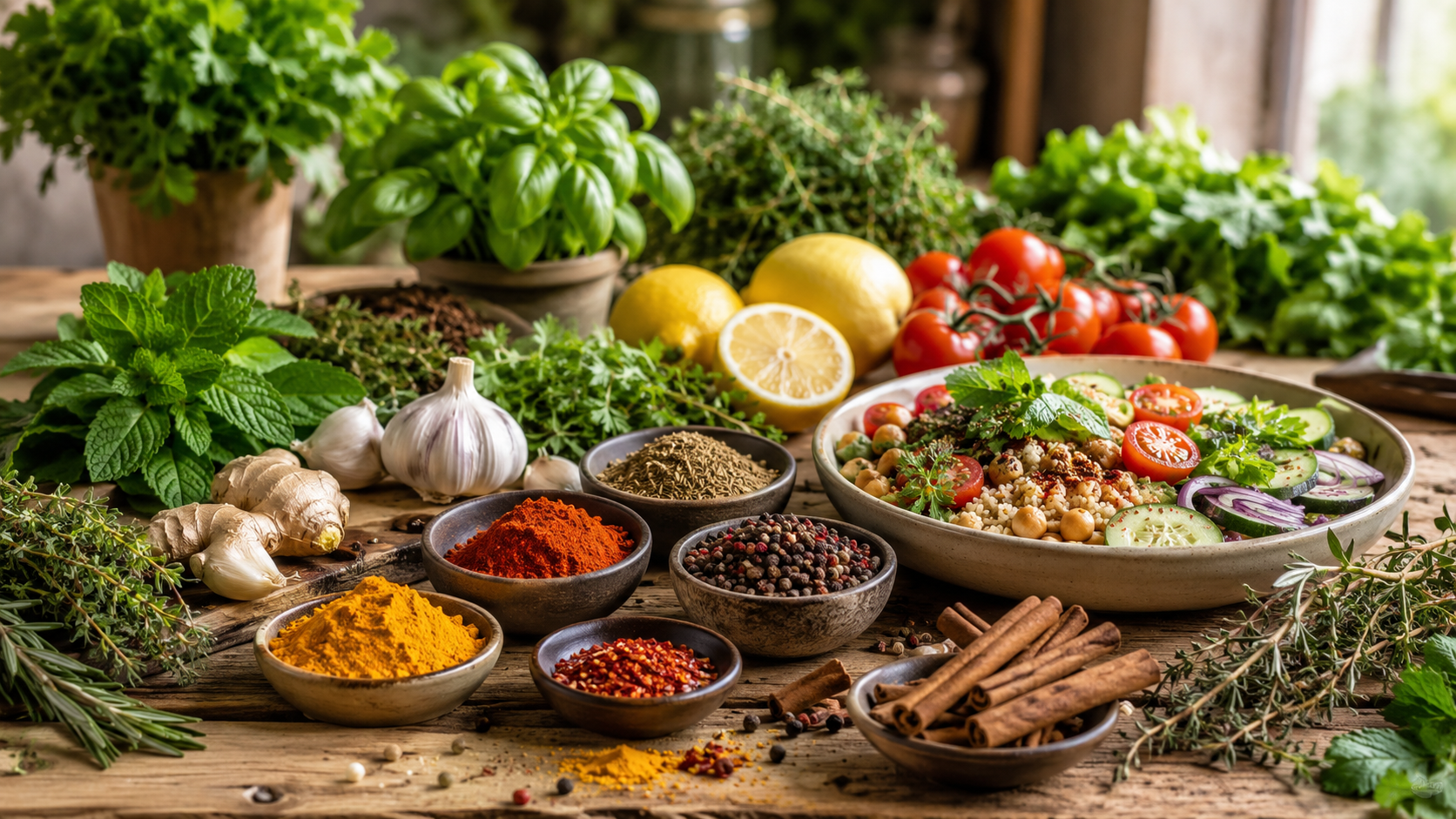
That’s why herbs and spices are having a moment. They help people add flavor without leaning too heavily on rich sauces, extra sugar, or too much salt. A tray of roasted vegetables can go from plain to properly good with smoked paprika, garlic, black pepper, and a handful of parsley.
Small thing. Big save.
Healthy Eating Is Getting More Personal
The conversation around food has changed. It’s no longer just about calories on a label or whether something looks “clean” enough for social media. People are paying more attention to how food makes them feel after lunch, after dinner, and the next morning.
Energy matters. Digestion matters. So does enjoyment.
That’s where herbs and spices fit nicely. People exploring functional medicine are often interested in how everyday food choices can work alongside a more personalized view of health. Not in a magic-cure kind of way. Nobody needs to pretend a pinch of turmeric will fix a complicated health issue. It won’t.
But food patterns do matter. Cooking with more herbs, spices, vegetables, legumes, grains, and whole ingredients can make meals feel more varied and less like a diet someone is trying to survive.
And honestly, that’s the point. If a meal feels like punishment, it probably won’t last.
Vegetables Need Better PR
A lot of people don’t dislike vegetables. They dislike boring vegetables.
There’s a difference.
Steamed carrots with nothing on them? Fine, but not exactly exciting. Roast them with cumin, cinnamon, olive oil, and a little salt, and they suddenly feel warm and rich. Add mint at the end and they taste fresher. Same carrot. Better personality.
This is where herbs and spices do some heavy lifting. They make it easier to eat more plants because they stop meals from feeling repetitive. Broccoli can taste completely different depending on whether it’s tossed with chili and garlic, lemon and dill, or sesame and ginger.
That variety matters when someone is trying to build a better routine. A healthy meal shouldn’t feel like a sad bowl of obligation. It should have crunch, heat, freshness, and something that makes people go back for one more bite.
A little drama on the plate helps.
Traditional Food Cultures Already Understood This
The current obsession with herbs and spices might feel new, but plenty of food cultures have treated them as essential for generations.
Across Southeast Asia, traditional Thai cuisine uses lemongrass, galangal, chili, Thai basil, cilantro, lime leaves, and fresh ginger to create food that feels bright, layered, and alive. These ingredients don’t sit quietly in the background. They lead.
That’s one reason Thai dishes can feel so satisfying without being heavy. Heat meets freshness. Richness gets balanced with acidity. Herbs cut through deeper flavors and keep the dish moving.
Modern healthy eating could learn a lot from that.
Not every meal needs to be soft, beige, and “wellness-coded.” Food can be spicy. Sour. Salty. Fragrant. A bit chaotic in the best way. Anyone who has chopped fresh herbs five minutes before serving knows the difference they make. The whole kitchen wakes up.
The Spice Drawer Deserves a Clean-Out
Most kitchens have at least one sad spice jar hiding at the back of a cupboard.
Maybe it’s ground coriander from three years ago. Maybe it’s a mystery blend with a faded label. No judgment. It happens.
But the spice drawer is getting more attention now because people are cooking at home with more curiosity. Recipes on social media, global food content, and easy access to different ingredients have made home cooks more willing to try flavors they didn’t grow up using.
That doesn’t mean everyone needs a giant collection. A few good staples can change plenty of meals.
Cumin adds warmth to beans, roasted vegetables, and grilled meat. Smoked paprika brings depth fast. Chili flakes wake up pasta, eggs, soups, and roasted potatoes. Cinnamon works in more than baking, especially with squash, carrots, lamb, and stews.
The best approach is simple: buy a few, use them often, and replace them when they stop smelling like much. If a spice smells like dusty cardboard, dinner deserves better.
Fresh Herbs and Dried Spices Both Earn Their Spot
Fresh herbs get a lot of praise, and fair enough. Basil, mint, cilantro, parsley, and dill can make food feel brighter in seconds.
But dried herbs and spices shouldn’t be treated like the backup option. They just work differently.
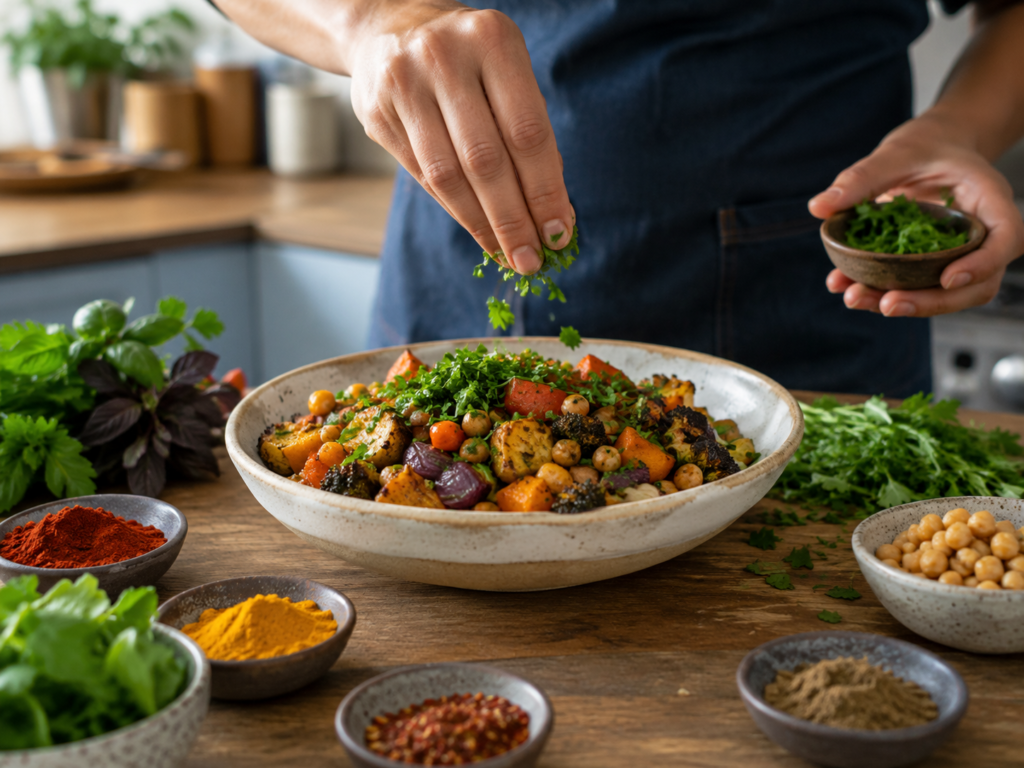
Dried oregano can handle a long simmer in tomato sauce. Thyme works beautifully in soups and roasted dishes. Bay leaves need time. Ground spices bloom when warmed in oil, which is a small step that makes a dish taste far more developed.
Fresh herbs usually shine at the end. Dried herbs and spices often do their best work earlier.
Once people understand that, cooking gets easier. Less guessing. More instinct.
A weeknight soup might start with onions, garlic, cumin, and smoked paprika. A salad might finish with parsley and mint. A bowl of rice can become something much better with turmeric, ginger, and scallions.
Nothing fancy. Just smarter flavor.
Pleasure Makes Healthy Eating Stick
This is the part that often gets missed.
People don’t keep eating better because they found the perfect rule. They keep going because the food fits their life and actually tastes good.
Herbs and spices help with that. They bring pleasure back into the process. They make home cooking feel less like a health assignment and more like something worth doing.
There will be mistakes, of course. Too much clove can take over a dish like it owns the place. Too much chili can turn dinner into a small personal challenge. That’s fine. Cooking should have a bit of trial and error.
The bigger shift is this: healthy eating doesn’t need to be plain to be sensible. It can be colorful, fragrant, punchy, comforting, and full of flavor.
That’s not a trend worth ignoring.
