Watch any group of primary schoolers pour out the front gate at 3:15 PM and you can spot the blood sugar crash within four minutes. One kid lies flat on the footpath refusing to carry a backpack. Another cries because someone looked at a scooter the wrong way. Most parents blame tiredness, and fair enough, school takes a lot out of young brains. Often, though, afternoon meltdowns trace straight back to recess food and how little those growing bodies moved between bells.
Swap out neon-wrapped rice crackers and sugary muesli bars for healthy lunchbox snacks that actually hold their own, and the afternoon shift looks completely different. Cubed cheddar, boiled eggs, hummus with crunchy capsicum strips, or roasted chickpeas do the job properly. Kids burn through fuel fast because they aren’t just running around at lunchtime; they’re building bone tissue, wiring neural pathways, and growing centimetres overnight. Give a seven-year-old simple carbs alone and energy spikes before falling off a cliff. Pair fibre, protein, and healthy fats together, and steady focus lasts well past the final bell.
Here’s what adults often miss. Kids rarely want a lecture on macronutrients, yet they love knowing what their bodies can do. Tell a child that spinach is “good for you” and that leaf gets pushed to the edge of the plate. Explain instead that protein repairs hard-working muscles after sport, or that crunchy carrots help eyes track a footy mid-air, and curiosity kicks in. Food becomes practical knowledge they own.
Ditching the Good Food and Bad Food Trap
Labelling foods as strictly “good” or “bad” backfires almost every time. Truly. When biscuits sit on a moral pedestal as forbidden treasure, kids obsess over them the second they reach a birthday party table. Teaching body literacy early means framing food around function and balance rather than guilt. Birthday cake belongs at a party because celebration matters too. Everyday meals exist to keep engines humming, moods steady, and brains sharp enough to tackle maths without wilting by morning tea.
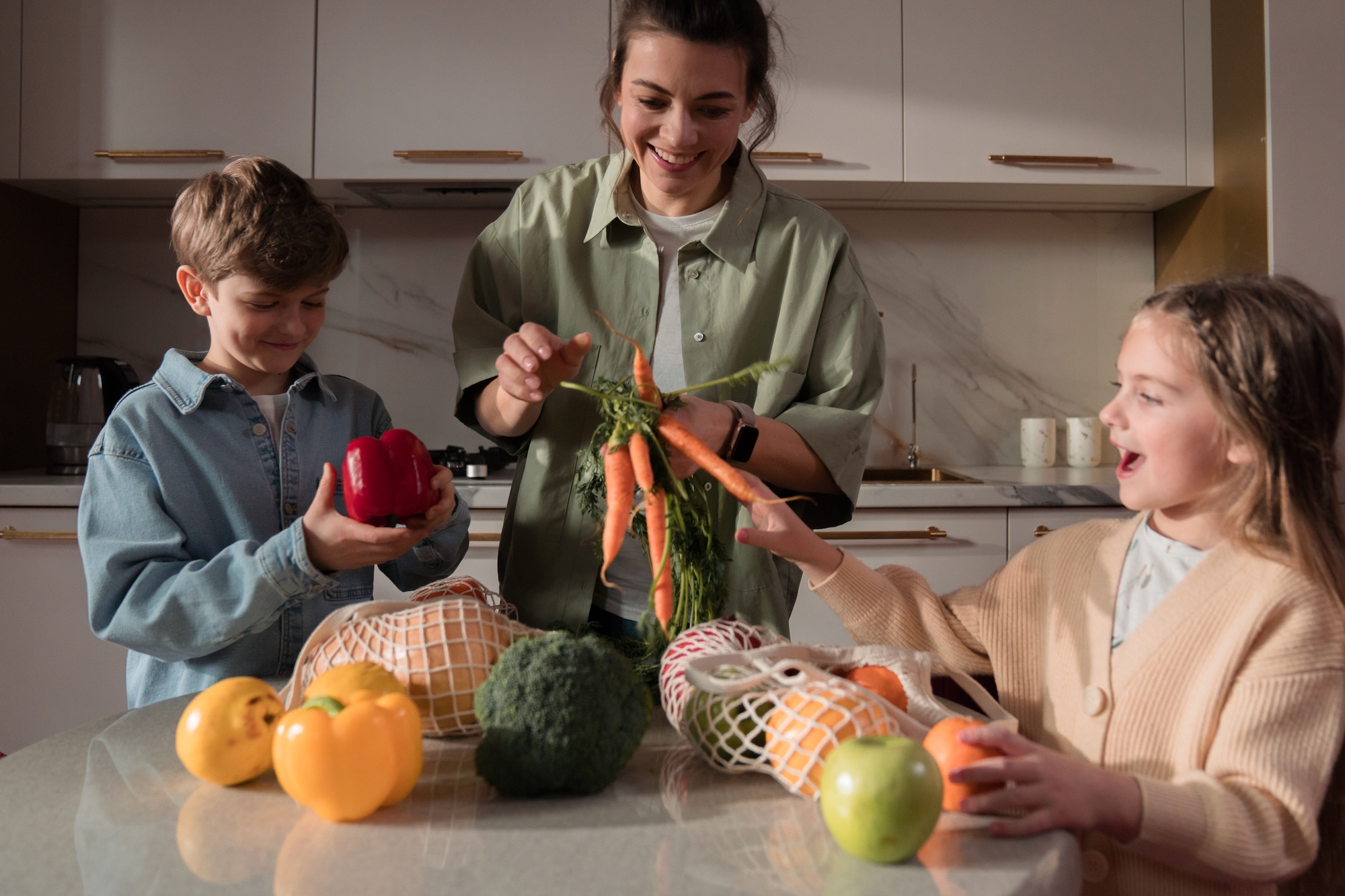
Getting children into the kitchen early cements that mindset faster than any classroom poster. Letting an eight-year-old grate carrot means finding orange shreds under the fridge three days later. Put up with the mess anyway. Kids who wash berries, crack eggs, or pack their own containers build real competence, learning to recognise whole ingredients and trust their own hunger cues.
Sunshine, Screens, and Getting Outdoors Daily
Nutrition still only covers half the picture. Modern childhood makes sitting still way too easy. Between classroom desks, car seats, and tablets, a kid can clock eight hours of sedentary time before dinner hits the table. Human bodies weren’t built to stay folded at ninety-degree angles all day, least of all young ones bursting with restless energy.
Stepping straight outside after school fixes more than cabin fever. Even twenty minutes of afternoon play at a local park helps boost vitamin D levels, supporting calcium absorption, strong bone mineralisation, and fewer winter sniffles. Across southern states especially, cooler autumn and winter days tempt families indoors under blankets, yet regular daylight exposure stays essential year-round. Add uneven grass, tree branches to climb, and a ball to chase, and outdoor play quietly builds coordination that no indoor screen could ever match.
Why Skill Based Movement Beats Random Burnout
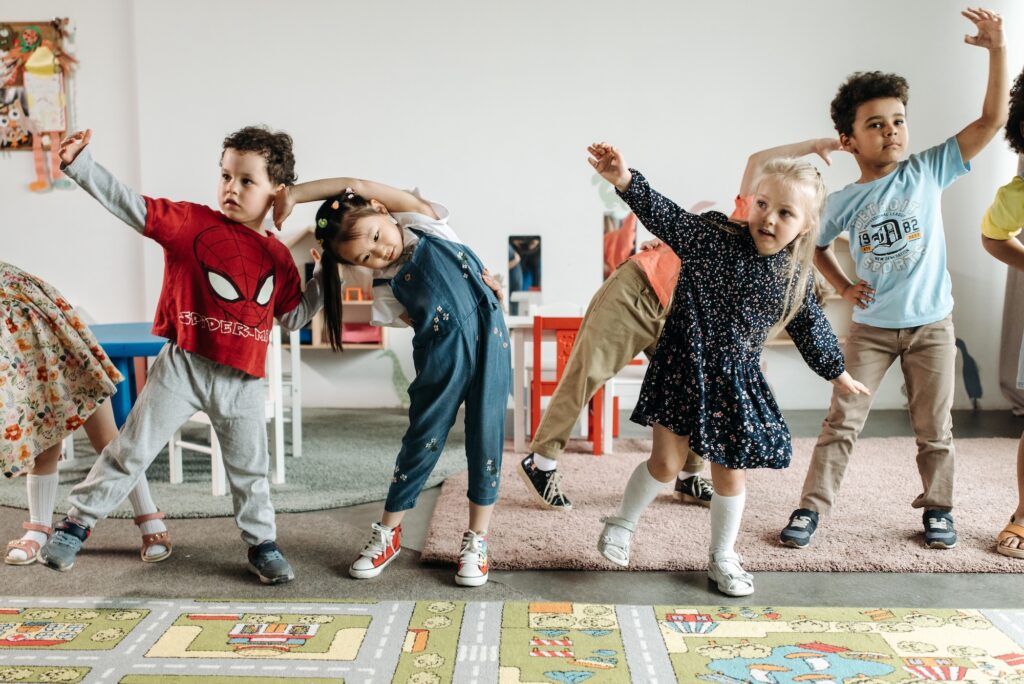
Many parents treat kids’ exercise like walking an overexcited kelpie: run them in circles until they collapse at 7:30 PM. Tiring children out isn’t the same thing as teaching them how to move well. Before adolescence, kids hit a prime window for physical literacy. Balance, posture, grip strength, core stability, and knowing how to fall safely without jamming stiff wrists into the concrete are skills that protect joints for decades.
Enrolling a child in structured, tactile movement builds a completely different kind of body awareness than endless laps of an oval. Programs like kids Jiu Jitsu Marrickville teach young learners how leverage, balance, and calm breathing work together under real physical pressure. Instead of relying on size or wild aggression, smaller kids discover how to frame, pivot, and problem-solve with their whole body. Watch a shy nine-year-old master a technical escape on the mats, and those shoulders straighten before the belt even gets tied back up.
That physical confidence spills straight into everyday life. Kids who trust their own coordination speak up more readily in class, handle playground bumps without panicking, and bounce back quicker from frustration. When stress builds up during a busy school week, grappling on a mat, kicking a ball, or riding a bike teaches the nervous system how to ramp up and settle back down.
Playing the Long Game With Childhood Habits
Ever wondered why some adults genuinely enjoy cooking whole foods and moving their bodies while others treat exercise like a chore? Look back at age eight. Habits formed in primary school wire straight into the brain’s basal ganglia, turning repeated actions into automatic defaults. When drinking water, eating colourful plants, and practising a physical skill feel as ordinary as brushing teeth, adulthood takes far less willpower to stay well.
None of this requires turning a family home into an elite training camp. Perfection ruins consistency every time. Some weeks, dinner is scrambled eggs on toast, sports bags get forgotten in the boot, and bedtime slips. That’s normal life, not failure. Future health isn’t built on flawless meal prep; it comes from showing up, moving often, and treating food as daily fuel.
Give kids the vocabulary to understand their appetite and the confidence to command their own limbs, and something shifts. They stop viewing health as rules handed down by grown-ups. They start treating their body like the one reliable home they get to live in for life.
